Medically reviewed by Mr Hyder Ridha (GMC: 6076878), Consultant Plastic, Reconstructive & Aesthetic Surgeon.
Rhinoplasty
Rhinoplasty sits at the forefront of aesthetic surgery, offering transformative possibilities for those looking to enhance facial harmony or improve nasal function. This procedure, artfully performed by expert surgeons, meticulously sculpts the nasal contours, balancing aesthetics and function.
Whether you’re looking for aesthetic refinement or want to correct structural issues, a rhinoplasty can renew confidence and well-being, with natural and potentially life-changing results.
Nose Reshaping can be highly individualised to surgically alter the size, shape, or proportions of the nose, addressing aesthetic concerns and medical issues.
At a Glance
Surgery time
2- 3 hours
Anaesthesia
General anaesthetic
Hospital stay
Day case
Recovery
1 week scar healing; 6 weeks total recovery
What is Nose Reshaping?
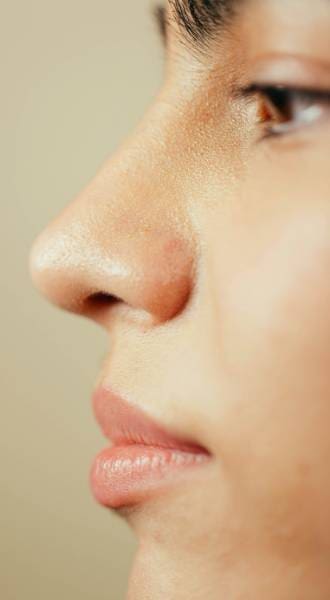
Rhinoplasty, commonly known as nose reshaping, is a surgical procedure aimed at reshaping the nasal structure to improve the aesthetic appearance and/or function.
Performed by skilled plastic surgeons, the size, shape, or proportions of the nose can be altered, addressing issues from aesthetic concerns to breathing difficulties. As a highly individualised surgical procedure, rhinoplasty is tailored to meet the specific needs and goals of each patient.
Understanding why people choose to have a rhinoplasty and the associated risks and life-changing benefits can make you feel more confident about your decision to undergo surgery. This guide helps you explore these key elements.
Reasons to choose
Many people choose to undergo a rhinoplasty because they’re unhappy with the appearance of their nose and would like a better proportioned shape that’s more congruent with their face. In some cases, functional problems such as nasal obstruction is the main concern and nose reshaping surgery can improve breathing.
Benefits
A rhinoplasty can have a profound and positive effect on your life and is worth considering if you are unhappy with your nose’s appearance and/or function. These include:
- Improves the overall appearance of the nose
- Corrects functional problems of the nose such as difficulty breathing
- Has a positive effect on overall facial aesthetics
- Improves self-confidence
Risks
A rhinoplasty is typically a safe and effective procedure, but as with all surgerical procedures, there are some potential risks and side effects of which you should be aware. These include:
- Bruising
- Swelling
- Infection
- Irregularities and asymmetry
It’s important to note that most side effects of the surgery are temporary and resolve during the healing process. Following all post-operative instructions after a rhinoplasty is very important, as any deviations could interfere with the healing process and the overall results.
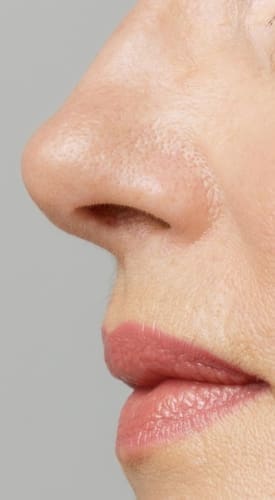
Who is a good candidate?
If you are concerned about the aesthetic appearance or function of your nose, you may be a good candidate for a rhinoplasty. It’s important to:

Be healthy
Be a non-smoker
Have realistic expectations
Related Conditions

Facial
Misshapen Nose
What’s called a misshapen nose may refer to a variety of concerns with size and shape.
Book a Consultation
Take the first step toward your ideal look by booking a consultation with our expert surgeon.

Understanding what an rhinoplasty involves, can help you feel more confident and prepared for your journey. The procedure is carefully planned to achieve the results you desire, whilst keeping your safety and comfort paramount. From your initial consultation to recovery, each step is designed to offer a smooth experience. We outline below what you can expect from the process.
Consultation
Your first consultation is a crucial part of your journey and we make it a priority that you feel at ease throughout. Mr Ridha carries out the consultation personally, taking time to listen to your goals and answer any questions you may have.
He will examine your nose to assess its function and features and then create a personalised treatment plan to address your concerns whilst creating a proportioned nose in harmony with your face. He will then talk you through the procedure including any potential risks or side effects, recovery times and expected outcomes.
Procedure
Rhinoplasty is typically performed as a day-case procedure under general anaesthetic. It involves either a closed approach, with incisions inside the nostrils, or an open approach, connecting these incisions via an additional cut along the columella, the tissue between the two nostrils.The choice between and open or closed rhinoplasty depends on the specific objectives.
The structural elements of the nose, namely the cartilage and bone, are reshaped to achieve the desired outcome. The incisions are closed and a simple dressing is applied.
Recovery
Post-rhinoplasty, patients should initially rest with their heads elevated. Swelling and bruising are common, but diminish over 7-10 days, with minor discomfort managed by prescribed medication. Mr Ridha and his team will provide detailed aftercare guidance. You’ll typically be able to return to work and routine activities within a week, though you should avoid strenuous activities for six weeks.
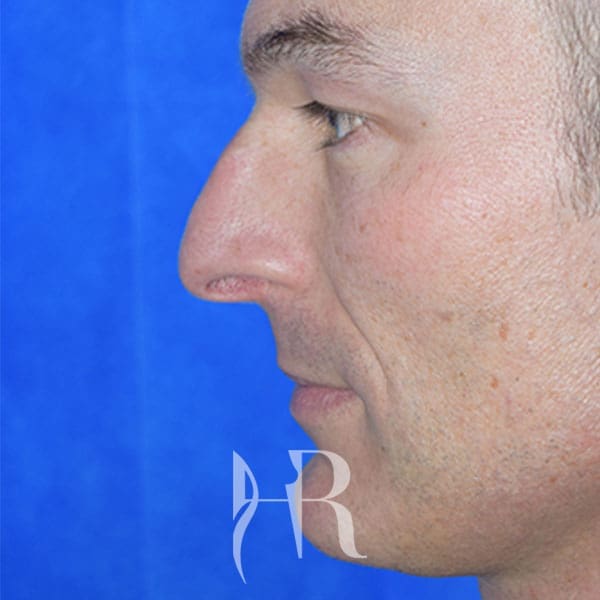
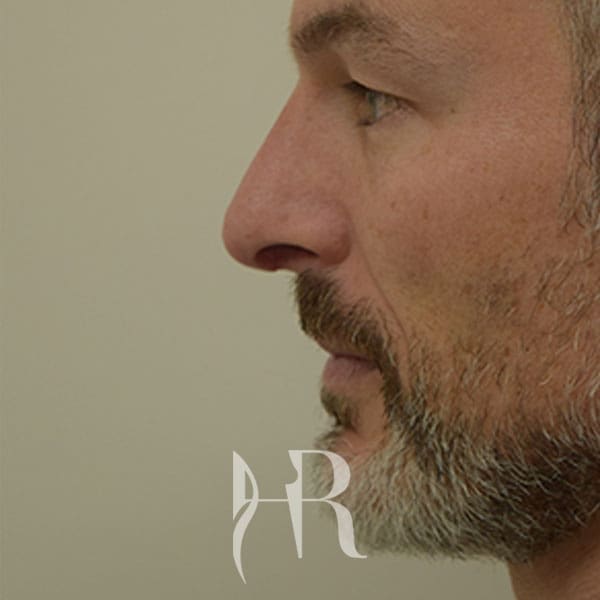
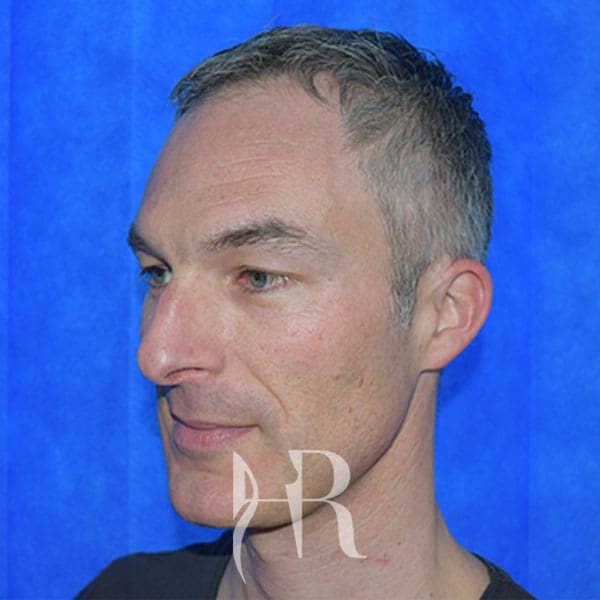
Procedure Results
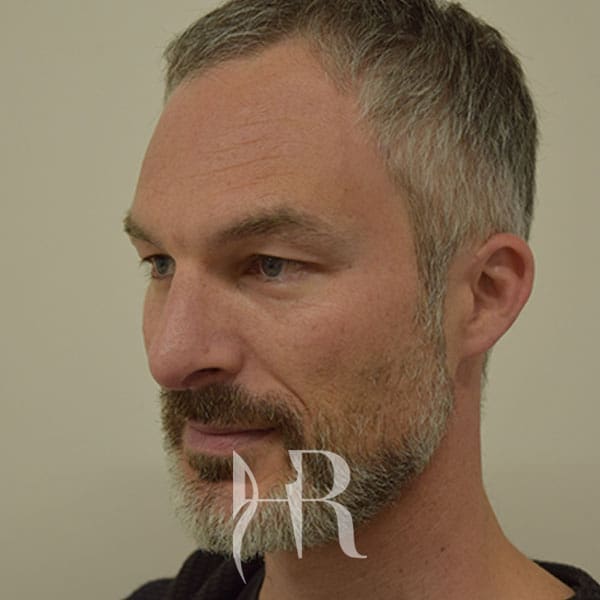
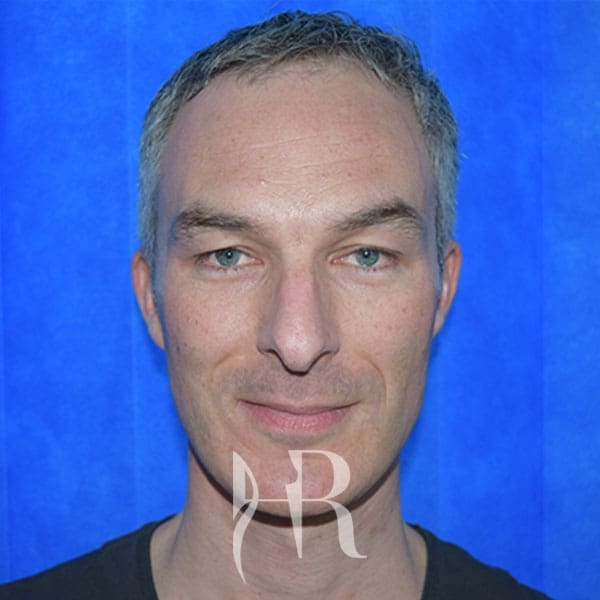
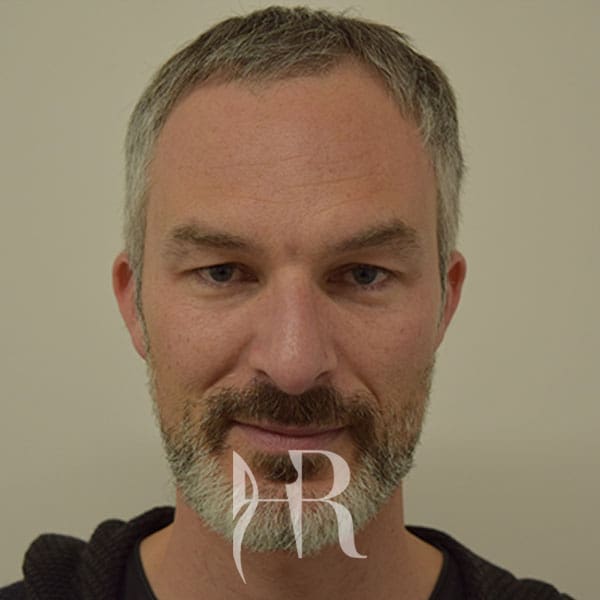
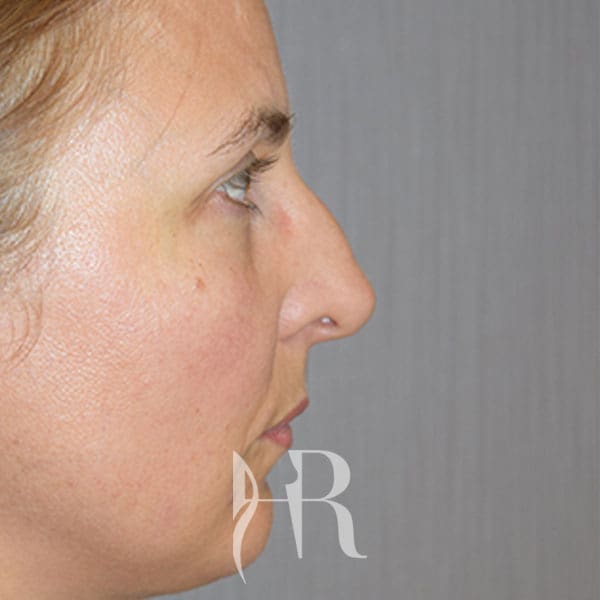
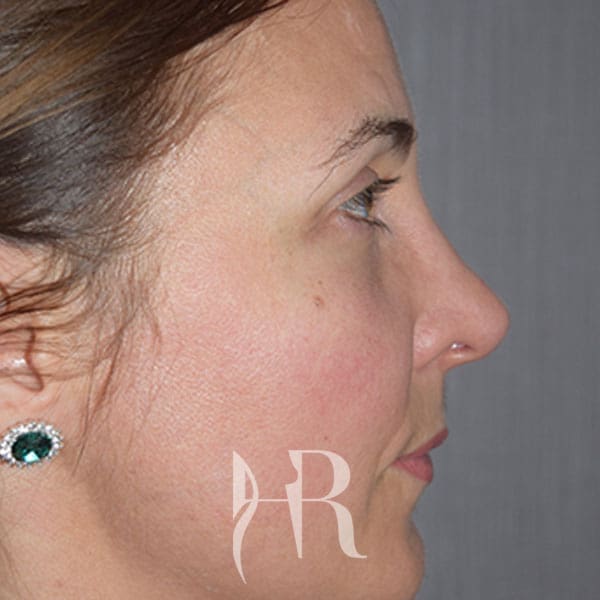
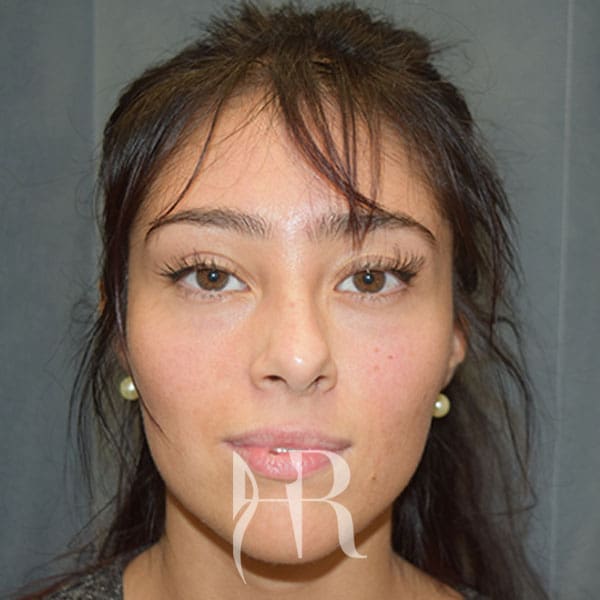
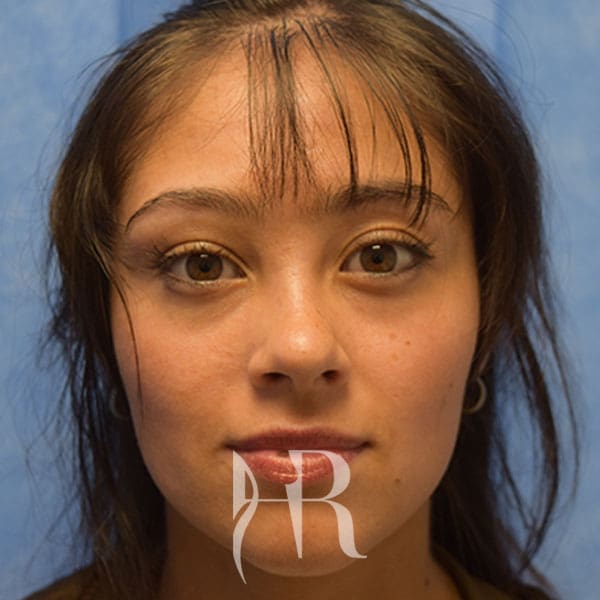
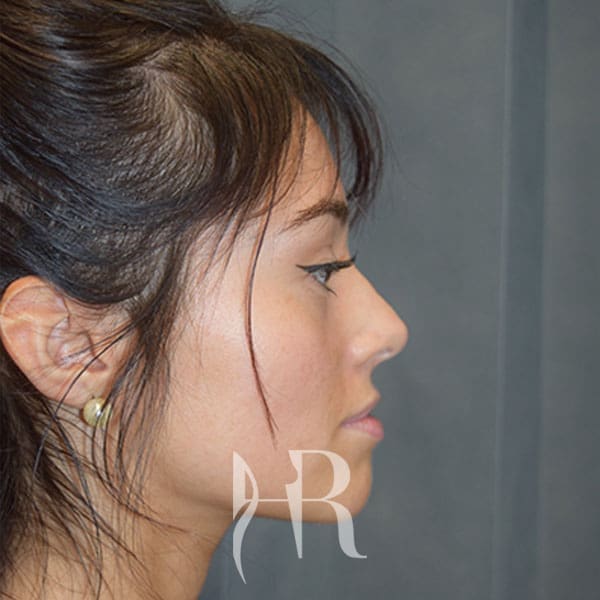
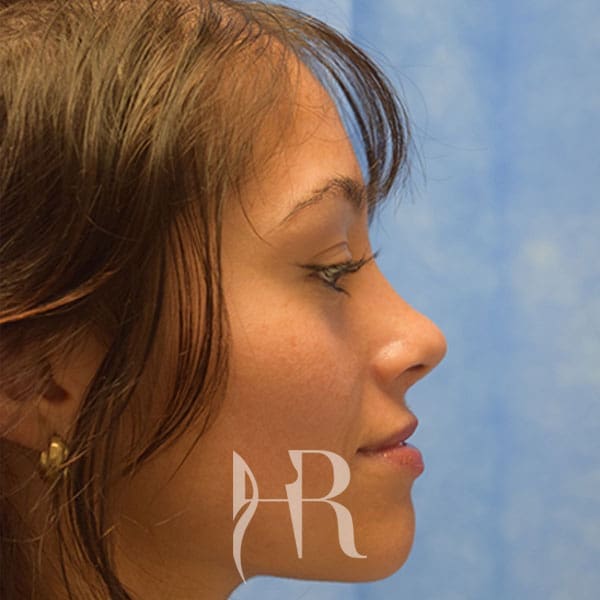
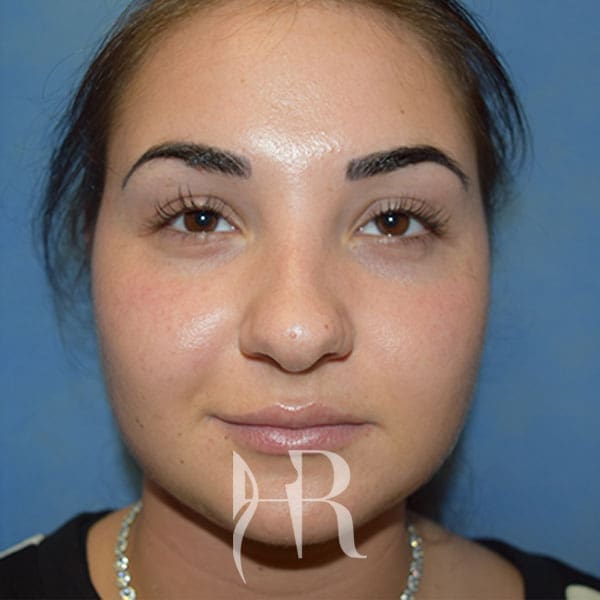
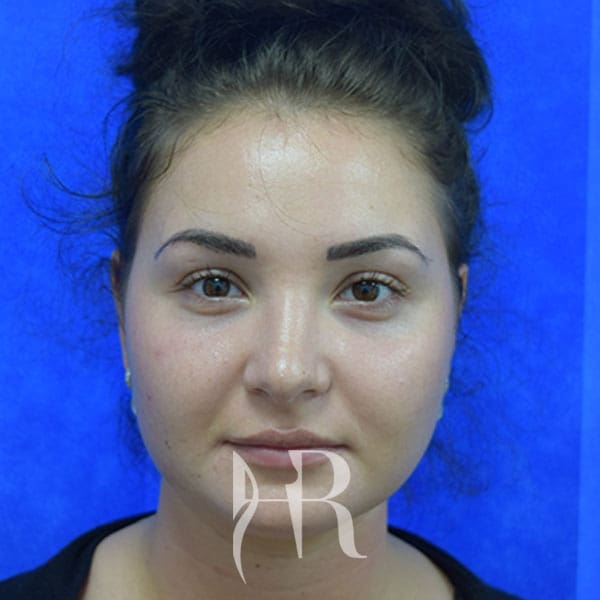
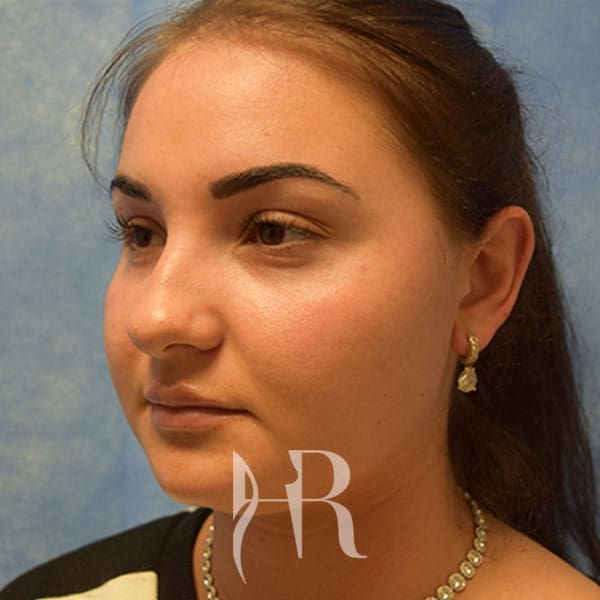
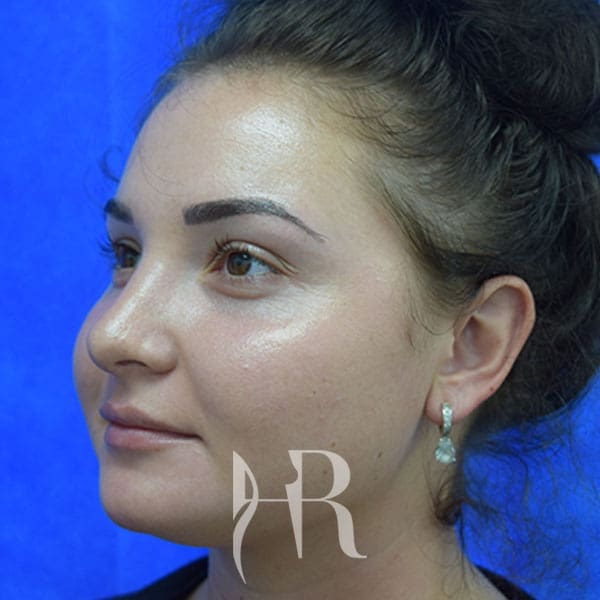
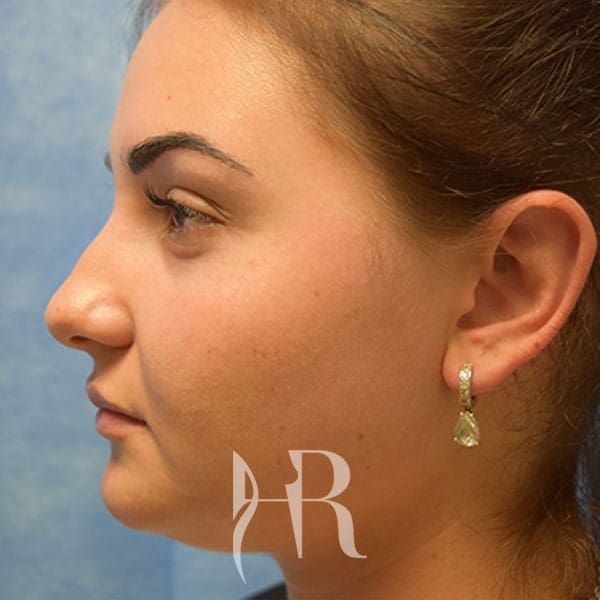
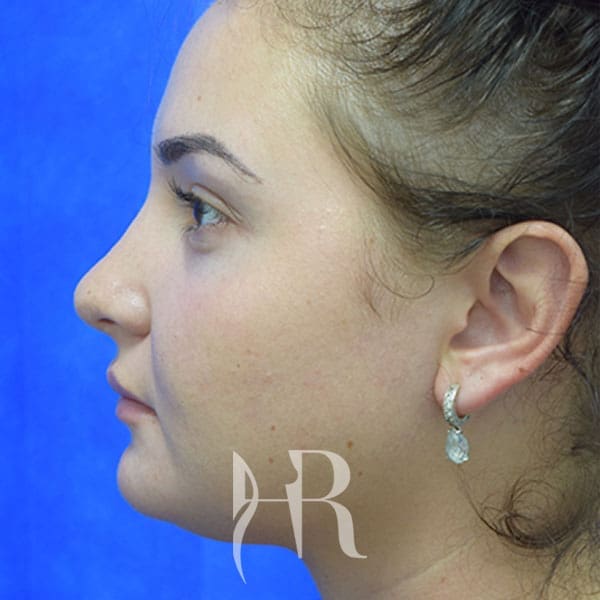
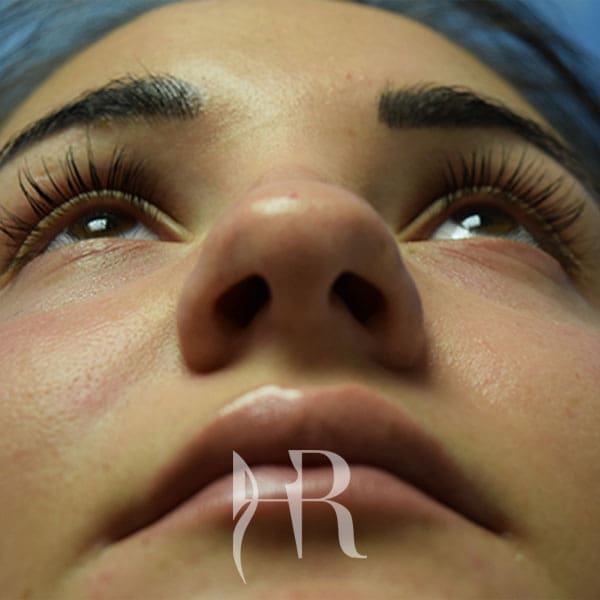
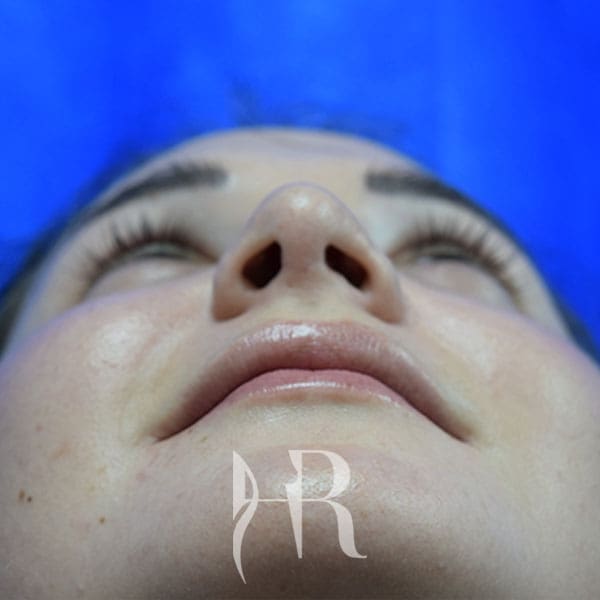
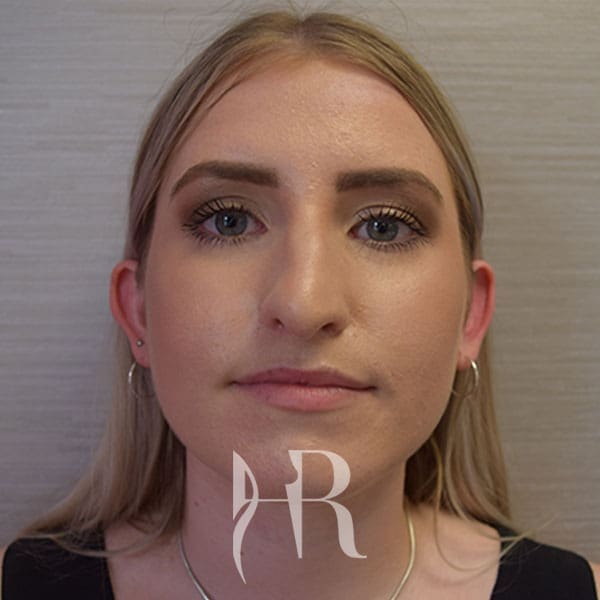
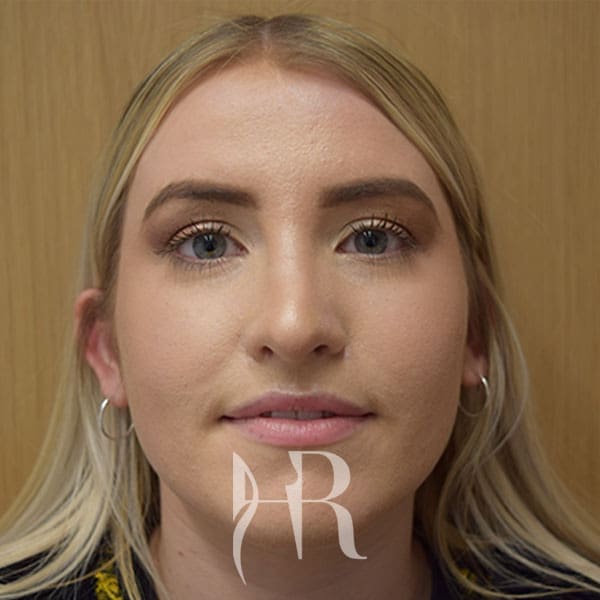
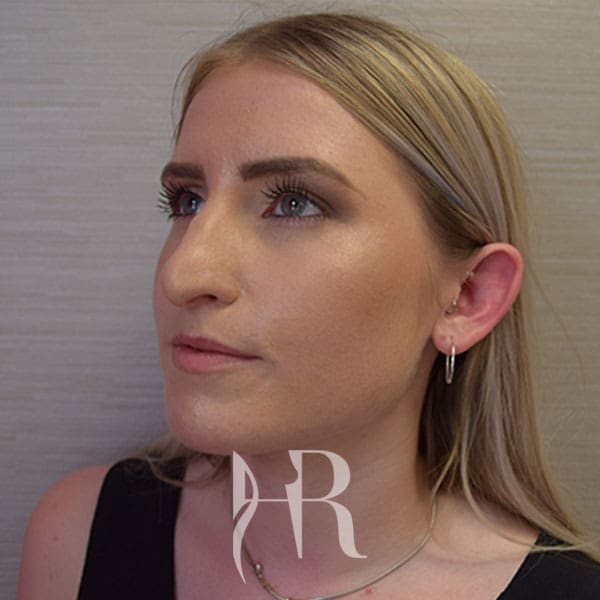
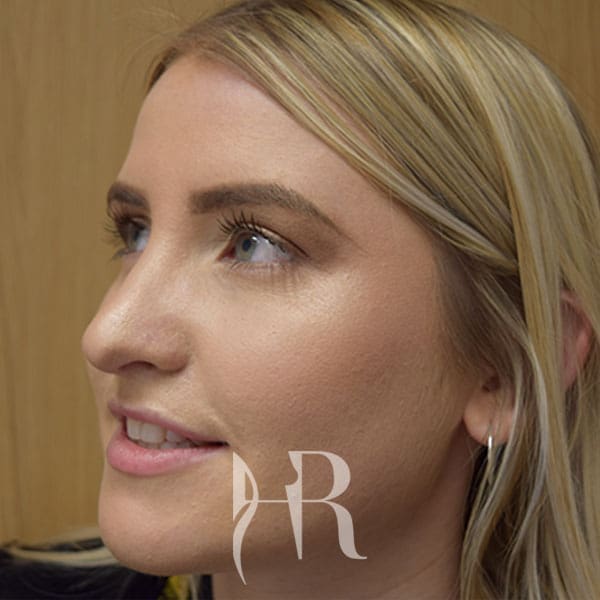
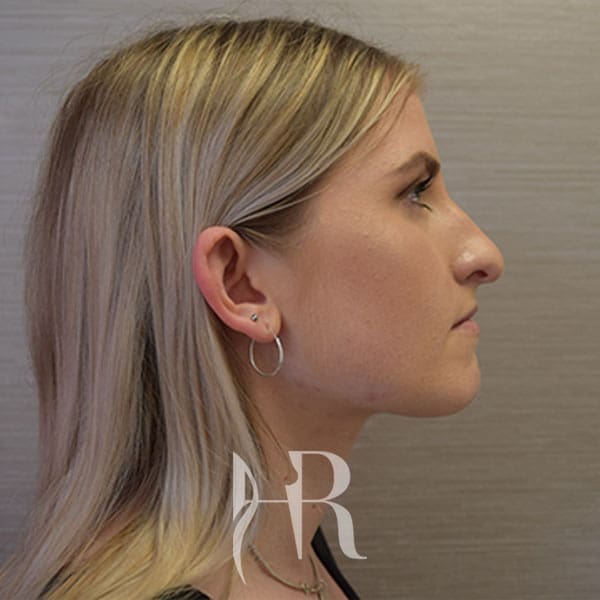
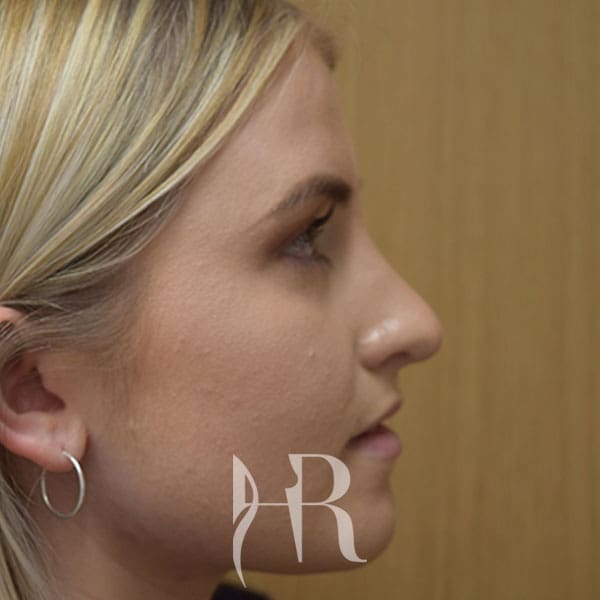
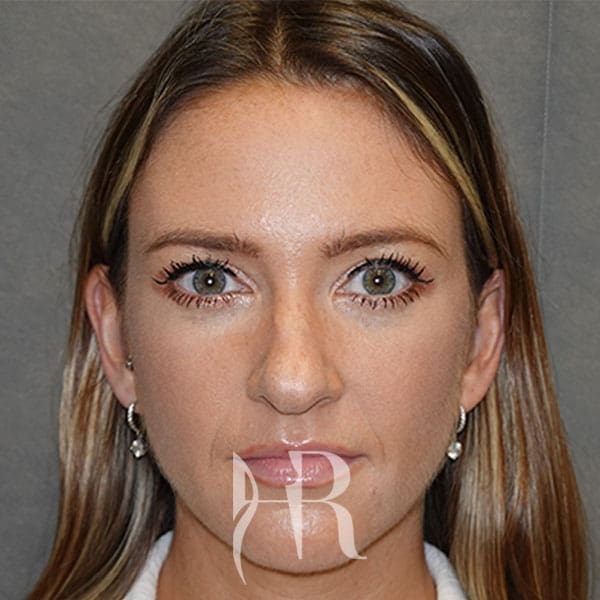
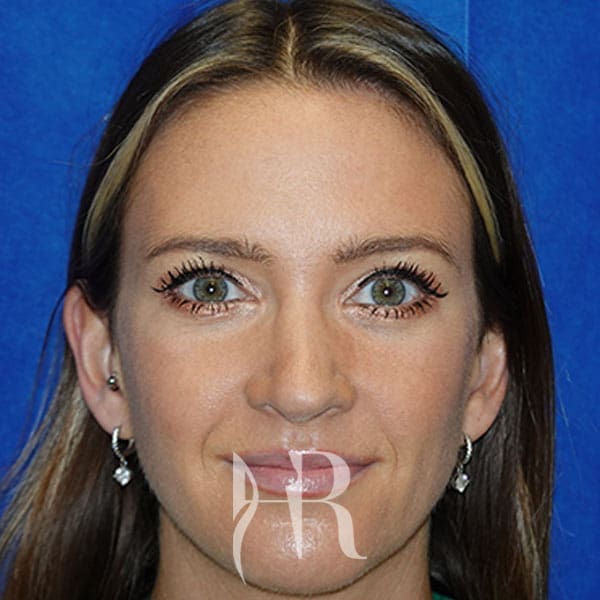
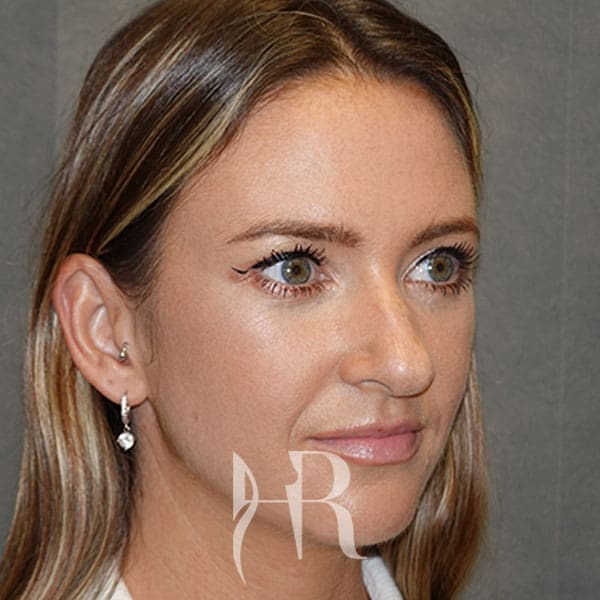
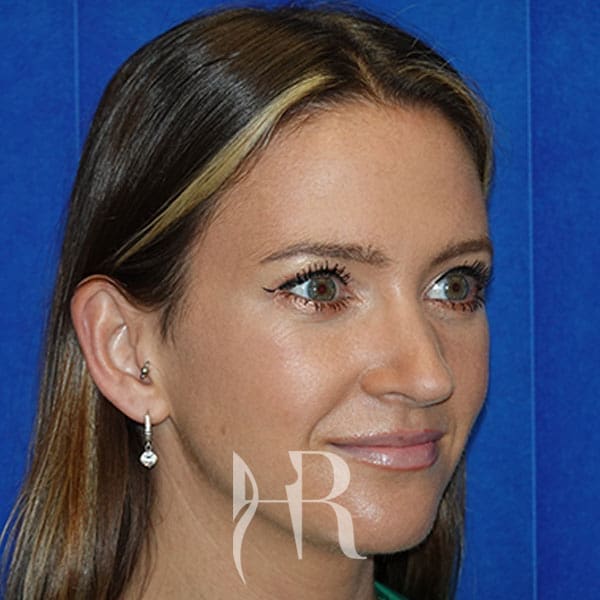
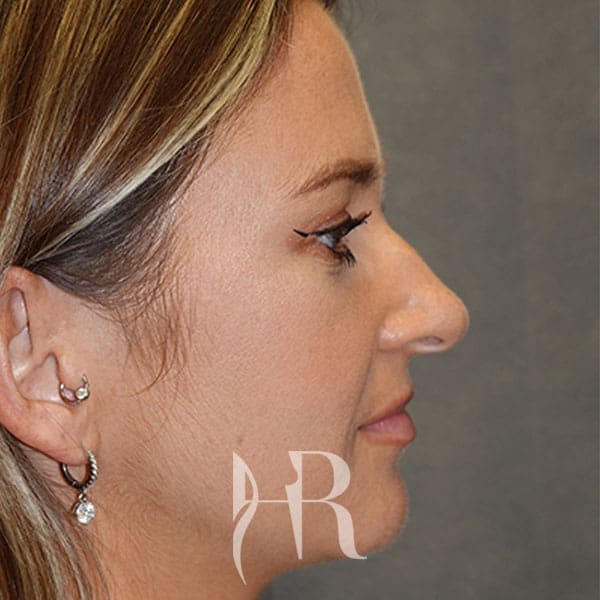
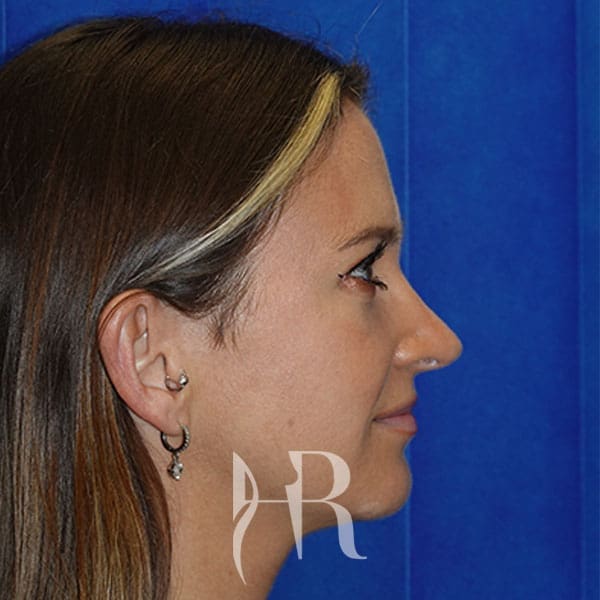
The choice to have nose reshaping surgery is a personal decision. It can be useful to see previous before and after results to understand what you can expect and help you to make up your mind.
Pricing?
Prices from
£9200
The cost of a rhinoplasty varies based on its complexity, and includes surgical, anaesthetic, theatre and hospital fees. Competitive finance plans are available for affordability. You can find more information on our pricing and payment plans pages, otherwise please get in touch with our team and we’ll gladly discuss your options.

FAQs
Will rhinoplasty surgery affect my breathing?
A rhinoplasty procedure typically enhances breathing, yet as with any surgical procedure, it carries risks. Post-surgery, the internal swelling may cause temporary breathing difficulties, which could take months to completely subside.
How long will the effects of surgical rhinoplasty last?
The outcomes of a surgical rhinoplasty are generally permanent. Nonetheless, it’s crucial to note that, similar to all bodily tissues, the nasal bones, cartilage and soft tissue will age over time.
What is the impact of ageing on rhinoplasty procedures?
With ageing, the collagen that supports the nasal structure weakens, potentially altering the shape and position of the nasal bridge and tip due to the natural ageing process of the soft tissue and ligaments.
Is rhinoplasty a safe cosmetic surgery procedure?
Modern rhinoplasties, in particular preservation techniques, are considered safe and effective, focusing on the conservation of the nasal structure, thereby minimising recovery time and enhancing the longevity of results.
Does undergoing rhinoplasty involve pain?
Performed under general anaesthesia, rhinoplasty procedures are pain-free during the operation. Post-operative discomfort is typically mild and managed with simple oral analgesics.
What is the recovery timeline for rhinoplasty nose job surgery?
Recovery from nose reshaping surgery usually sees significant improvement within a week. Normal activities can resume after a week, but rigorous exercise should be deferred for six weeks, with complete swelling resolution and final results apparent after around one year.
Recovery from a rhinoplasty is relatively fast with a return to normal daily activities within 1 to 2 days. Rigorous exercise should be deferred for six weeks. The final results with complete resolution of all swelling is apparent at one year post procedure.
Access essential resources & information at your convenience.
Browse our collection of brochures, guides, and forms to learn more about our procedures, prepare for your visit, or explore your options. Simply download what you need to get started.
Rhinoplasty Patient Leaflet

Preparing Safely for Surgery
Related Procedures
Rhinoplasty sits at the forefront of aesthetic surgery, offering transformative possibilities for those looking to enhance facial harmony or improve...
As we get older we tend to lose volume in certain areas of our face resulting in an aged look....