Medically reviewed by Mr Hyder Ridha (GMC: 6076878), Consultant Plastic, Reconstructive & Aesthetic Surgeon.

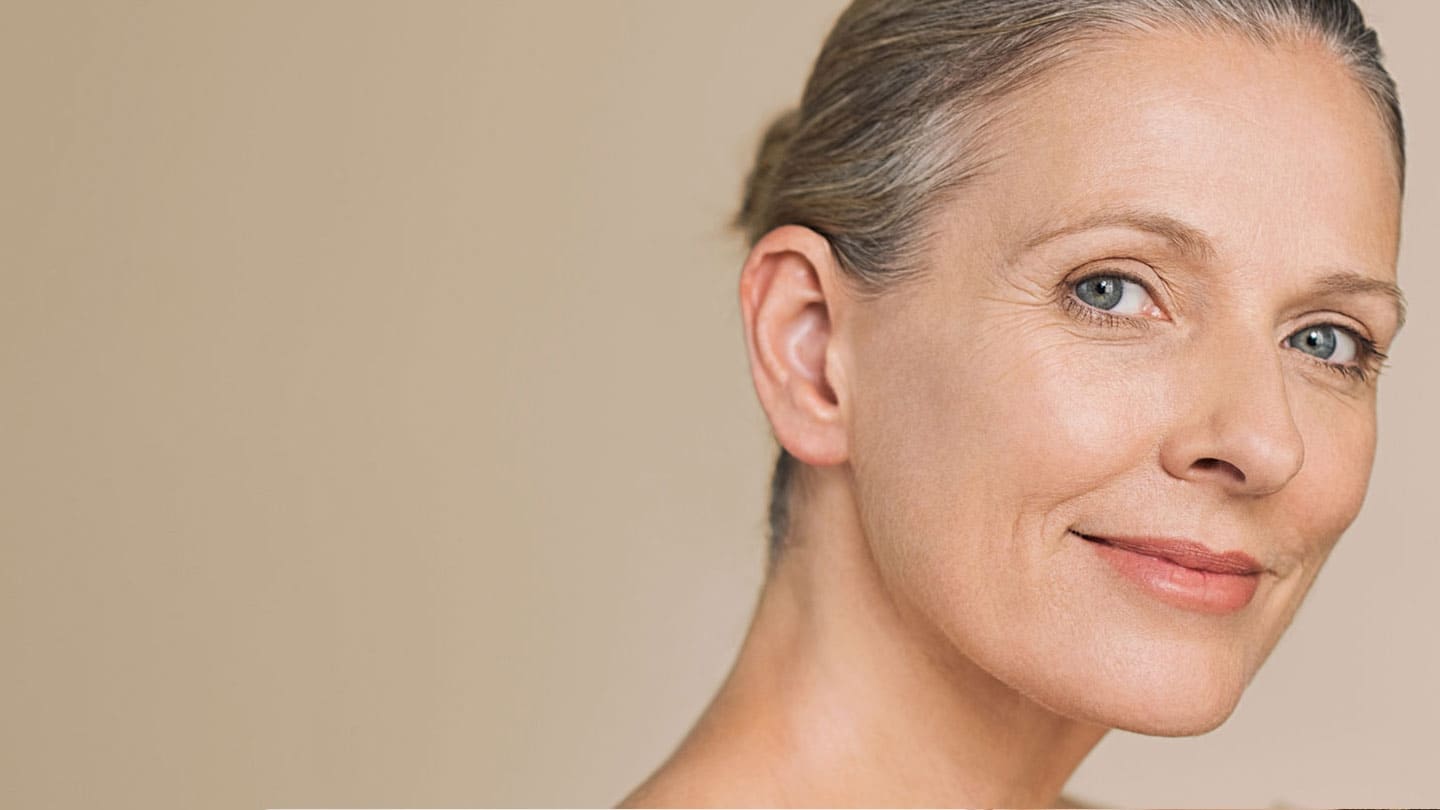
Facelift (Rhytidectomy)
A facelift, or rhytidectomy, is a surgical cosmetic procedure to tighten and lift the skin on the face and neck to reverse visible signs of ageing like wrinkles and loose skin.
Facelift surgery lifts and tightens facial muscles and tissues by making incisions to reduce excess facial skin and fat and reposition them for a rejuvenated, more youthful appearance.
A Facelift and neck lift has helped many regain a younger appearance.
With almost 2 million facelifts performed globally every year, it’s the gold standard for people looking to reduce visible signs of ageing.
At HR Plastic Surgery, we perform the latest and safest techniques in facial rejuvenation procedures.
Facelift Surgery tightens face and neck muscles and tissues and repositions the skin for a more youthful and rejuvenated appearance.
Facelift: At a Glance
Surgery time
4 hours
Anaesthesia
General anaesthetic
Hospital stay
Overnight stay
Recovery
2 weeks scar healing; 6 weeks total recovery

What is Facelift Surgery?
Facelift surgery, also known as rhytidectomy, is a cosmetic procedure aimed at reversing the visible signs of ageing on the face and neck.
A facelift rhytidectomy involves the lifting and tightening of facial muscles and tissues and the removal of excess skin to create a more youthful and rejuvenated appearance.
It effectively addresses issues such as sagging facial skin, fine and deep wrinkles and abnormal contours such as jowls and deep folds, to restore a firmer, smoother, and more youthful contour to the face and neck.
Types of Facelift
There are different types of surgical facelifts, distinguished either by the length of the scar (short scar mini facelift or a MACS lift) or by the way the deeper facial tissue is repositioned (SMAS or deep plane facelift).
Facelift surgery is highly customisable, allowing surgeons to tailor the procedure to your unique needs and aesthetic goals for natural-looking, long-lasting results.
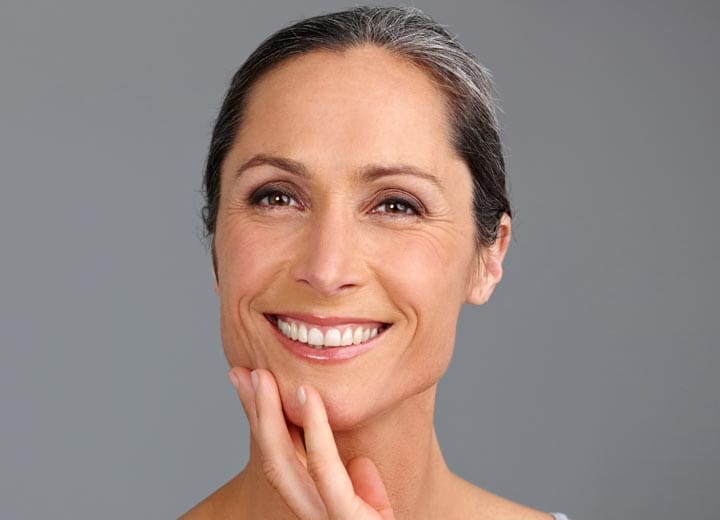
Understanding the face and neck lift procedure, and the risks and potential life-changing benefits, can make you feel more confident about your decision to proceed with facial surgery. This guide helps you explore key aspects in facelift procedures.
Why choose to get a facelift?
Many people who are unhappy with the effect of ageing on their face and neck and have developed features such as jowl formation and sagging skin with loss of contour of their neck and jawline, choose to have facelift to restore a more youthful look.
Benefits
The main benefits of the facelift procedure are
- restoration of a more youthful appearance
- increased self confidence.
Removal and tightening of excess skin caused by ageing or substantial weight loss, smooths out wrinkles and improves the overall quality of the skin by correcting the contour deficits and irregularities resulting in a healthier appearance.
The latest facelift techniques provide a natural-looking long lasting enhancement rather than an artificial “pulled” appearance found with a traditional facelift.
Risks of Facelift Surgery
It’s essential to be aware of the potential risks associated with facelift surgery, although complications are relatively rare.
These risks may include:
- Infection
As with any surgical procedure, there is a slight risk of infection. - Scarring
Scars are kept to a minimum and made discreet by placing incisions in well-hidden areas. - Bruising and swelling
Temporary bruising and swelling are common after a facelift and gradually settle during recovery. - Numbness
Some patients may experience temporary numbness in the treated areas.

Who is a good candidate?
A good candidate for facelift rhytidectomy is someone who has signs of facial aging and is unhappy with their appearance. It’s important to be;


Physically Healthy
A Non-smoker

Related Conditions

Jowls are what we call the loose sagging skin that hang below the jawline

Facial
Facial Volume Loss
From your late twenties to early thirties, you may start to notice a loss of volume in your face.

Facial
Loose Neck Skin / Full Neck
Loose neck skin is a natural, though unwelcome, consequence of ageing.

Facial
Skin Wrinkles
Wrinkles are, sadly, a natural consequence of ageing. They are the creases, folds or ridges that appear in the skin...
Book a Consultation
Take the first step toward your ideal look by booking a consultation with our expert surgeon.


Understanding what a facelift operation involves, can help you feel more confident and prepared for your journey. Facelift procedures are carefully planned to achieve the results you desire, whilst keeping your safety and comfort paramount. From your initial consultation to recovery from your facelift, each step is designed to offer a smooth experience. We outline below what you can expect from the process.
Consultation
A comprehensive consultation with our cosmetic surgeon, Mr Hyder Ridha is the initial step.
During this consultation, Mr Ridha will:
-
- evaluate your facial anatomy
- discuss your aesthetic goals
- assess your overall health to determine your suitability.
He’ll then select the best type of facelift technique for you.
Based on this assessment, a personalised treatment plan will be created, outlining the specific areas of concern and the surgical techniques to be used.
Facelift Procedure
- Anaesthesia
Depending on whether a mini facelift or full facelift is being performed, the procedure is carried out under either general anaesthetic or local anaesthetic. - Incision placement
Discreet incisions are made around the ear and extend slightly into the hairline at the temple and behind the ear. - Elevating the skin
The skin is elevated to allow access to the SMAS (Superficial MusculoAponeurotic System) layer – a continuous layer of fibrous and muscular tissue connecting the facial muscles to the skin. - SMAS tightening
In all facelift techniques, including High SMAS and Deep Plane facelifts, the SMAS layer is elevated and tightened to achieve facial rejuvenation. - Removing excess skin
Excess skin is removed to create a smoother and more refreshed facial contour. - Closing the incisions
The incisions are closed meticulously and dressings along with a facial support garment are applied. - Immediate postoperative care
You will be closely monitored by medical nursing staff in hospital overnight to ensure safety and comfort.
Any discomfort is managed with prescribed pain relief medication. - Post-operative instructions
It is crucial to follow the recommended guidance on rest, activity limitations and wound care during the early healing phase.
Facelift Recovery Timeline
| First week | Swelling, bruising and mild discomfort are expected and gradually subside over the first week. A facial garment is worn throughout this period. |
| End of week 1 | The facial garment is removed after one week, along with the sutures used to close the incisions. |
| 1–2 weeks | You can gradually resume light activities after about one to two weeks. Strenuous exercise and heavy lifting should still be avoided. |
| Up to 6 weeks | Strenuous exercise and heavy lifting should be avoided for a full 6 weeks to support safe healing. |
| As healing continues | Swelling and bruising continue to diminish, and the results of the facelift become increasingly apparent. Regular follow-up appointments are essential to monitor progress and address any concerns. |
.

Facelift Procedure in Video
Take a look at the video to understand what you can expect from a facelift surgery.
Facelift Procedure Results
The decision to have facelift surgery is personal. It can be useful to see previous before and after facelift results to understand what you can expect and help you to make up your mind.


What is the cost of a facelift in the UK?
Prices from
£14,400
The cost of facelift surgery on the UK tends to vary with type of face lift procedure from a mini facelift or SMAS facelift to a deep plane facelift. The cost of the facelift procedure also includes a surgical fee, anaesthetic fee, theatre and hospital stay, and assistant’s fee. To make cosmetic face lift surgery affordable, we offer a range of finance plans*. You can find more information on our pricing and payment plans pages*, otherwise please get in touch with our team and we’ll gladly discuss your options.

FAQs
What age is best for a facelift?
The ideal age for a facelift varies, but it’s typically considered when signs of ageing, like sagging skin and wrinkles, become more prominent, usually between 40 and 60. However, the decision should be based on individual concerns and consultation with a plastic surgeon.
How long will a facelift last?
- Typical longevity
Facelift results can last around 7 to 10 years or more. - Individual variation
The duration varies depending on factors such as surgical technique, genetics, and lifestyle. - Ageing continues
The natural ageing process continues after surgery, which may gradually affect results over time. - Maintenance options
Some individuals choose touch-up procedures or non-surgical treatments to help maintain their appearance.
Is a facelift a safe cosmetic surgery?
Facelift surgery is generally safe when performed by a qualified, specialist plastic surgeon in an accredited facility. While there are risks, such as infection and scarring, serious complications are rare. Following the surgeon’s instructions pre and post-surgery is crucial for a safe and successful outcome.
Does facelift surgery remove excess facial fat, excess facial skin and sagging facial skin ?
Yes, facelift surgery is specifically designed to address excess sagging, and loose skin on the face and neck.
During the procedure, a plastic surgeon removes the surplus skin and tightens the underlying facial tissues and muscles, resulting in a firmer and more youthful appearance.
Facelift surgery effectively reduces sagging skin, helping patients achieve a rejuvenated and refreshed look.
What is deep plane facelift surgery?
A deep plane facelift is an advanced surgical technique that repositions deeper facial tissues and muscles, providing a more thorough and longer-lasting improvement in sagging skin, jowls, and mid-face drooping. This technique is Mr Hyder Ridha’s preferred method.
Does a facelift include a neck lift?
A traditional facelift primarily addresses the lower two-thirds of the face, such as the cheeks and jawline, and also the neck so face and neck lifts are often done together.
Can I get a facelift near me?
Our clinics are ideally located for people wanting a facelift in London near to you and a facelift in Hertfordshire. But many patients will travel further due to their trust and confidence in the skill of their preferred aesthetic plastic surgeon.
Access essential resources & information at your convenience.
Browse our collection of brochures, guides, and forms to learn more about our procedures, prepare for your visit, or explore your options. Simply download what you need to get started.

Facelift & Necklift Patient Leaflet

Preparing Safely for Surgery
Related Procedures

A deep plane facelift is a cosmetic surgical procedure that lifts and repositions the skin along with the deeper facial...

A mini facelift tightens skin and tissue in the mid to lower face and jawline and is a less invasive...

A neck lift is a surgical procedure that removes excess neck skin and fat and tightens neck muscles to provide...